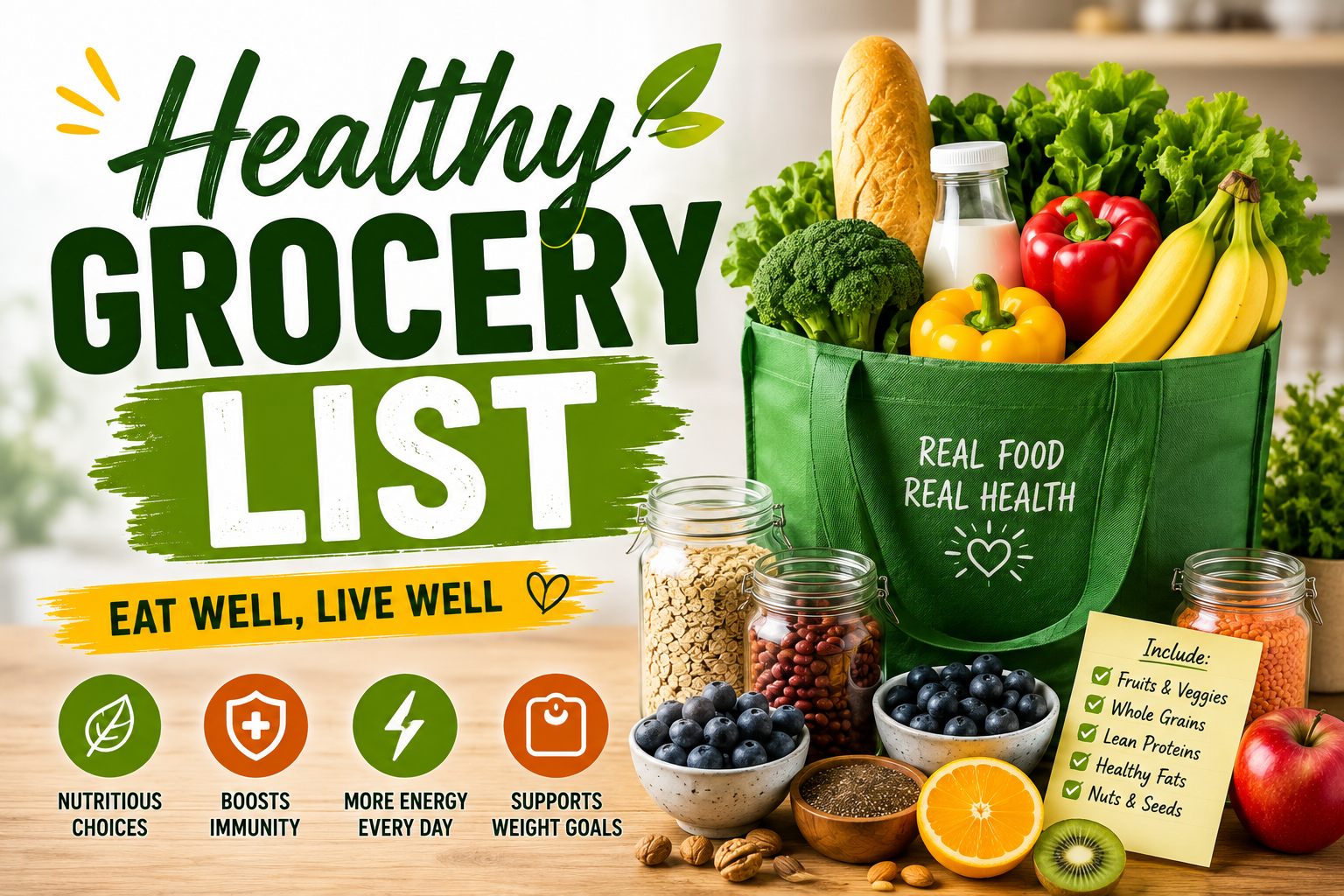
Navigating the aisles of a modern supermarket can feel like an intricate game designed to test your willpower. With thousands of products engineered to trigger cravings through processed sugars, refined oils, and artificial additives, making health-conscious decisions without a clear plan is almost impossible.
A healthy grocery list is far more than a simple piece of paper or a quick note on your phone. It serves as your primary defense mechanism against impulse buying, food waste, and poor nutrition. When you control what enters your kitchen, you take absolute control over your health, energy levels, long-term wellness, and household budget.
Whether your personal goal is weight loss, muscle gain, improved digestion, or simply adopting a clean eating lifestyle, this comprehensive guide will equip you with everything you need to build a sustainable healthy grocery shopping routine.
Why a Healthy Grocery Shopping List is Essential
Eating healthy does not begin at the dinner table—it begins in the supermarket aisles. Without a structured shopping strategy, even the best nutritional intentions can fall short.
1. Protects You from Supermarket Manipulation
Grocery stores are engineered using consumer psychology to maximize sales of high-margin, low-nutrition products:
- Perimeter vs. Center Aisles: Fresh produce, meat, seafood, and dairy are traditionally placed around the outer edges of the store. The center aisles house ultra-processed, shelf-stable items packaged to attract attention.
- Eye-Level Marketing: High-margin processed snacks are placed directly at eye level, while whole-grain options or single-ingredient foods are often placed on top or bottom shelves.
- Impulse Checkouts: The checkout lanes are lined with sugary treats, energy drinks, and processed snacks to capitalize on decision fatigue at the end of your trip.
Having a written healthy grocery shopping list keeps your focus locked onto what you actually need, allowing you to bypass impulse traps effectively.
2. Reduces Food Waste and Saves Money
The average household discards a significant portion of purchased food simply due to poor planning and over-buying. Purchasing with a structured grocery list ensures every item has a dedicated purpose in your weekly meal schedule, directly cutting down your food bill.
3. Eliminates Decision Fatigue
At the end of a long, exhausting day, coming home to a fridge stocked with whole, unprepared ingredients without a plan often leads to ordering high-calorie takeout. Pre-stocking your kitchen with planned staples makes quick, healthy cooking effortless.
The Master Healthy Grocery List: Category by Category
To optimize your shopping trips, organize your list by store section. This saves time and keeps your attention focused on whole, nutrient-dense foods.
1. Fresh Produce (Vegetables & Fruits)
Vegetables and fruits are the backbone of any nutrient-dense diet. They are naturally packed with dietary fiber, essential vitamins, minerals, and protective phytonutrients.
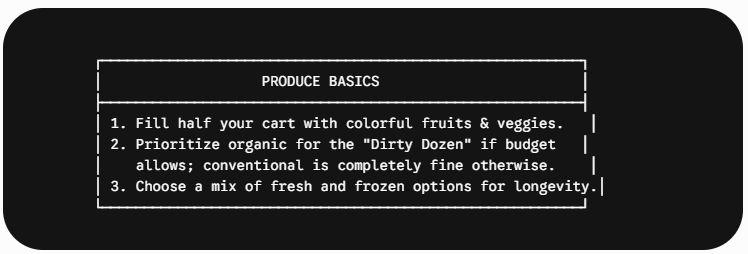
Leafy Greens & Cruciferous Vegetables
- Spinach & Baby Kale: Rich in iron, calcium, folate, and vitamins A, C, and K. Perfect for salads, egg dishes, or morning smoothies.
- Broccoli & Cauliflower: High-fiber cruciferous vegetables rich in sulforaphane, supporting cellular repair and gut health.
- Brussels Sprouts & Cabbage: Sturdy, budget-friendly options that roast exceptionally well with minimal oil and seasonings.
Hydrating & Fiber-Rich Vegetables
- Bell Peppers (Red, Yellow, Green): Packed with Vitamin C and carotenoids, supporting immune function and skin health.
- Zucchini & Summer Squash: Versatile, low-calorie options suitable for stir-fries, baking, or spiralizing into veggie noodles.
- Cucumbers & Celery: High water content makes these ideal for hydrating, low-calorie snacks paired with hummus or nut butter.
- Carrots & Beets: Deeply pigmented root vegetables providing beta-carotene and natural nitrates that support blood pressure regulation.
Starchy Vegetables & Root Crops
- Sweet Potatoes & Yams: Complex carbohydrates loaded with dietary fiber, Vitamin A, and potassium, offering sustained physical energy.
- Russet & Red Potatoes: Excellent sources of potassium and vitamin B6 when prepared baked or boiled with skins intact.
Fresh & Low-Glycemic Fruits
- Berries (Blueberries, Strawberries, Raspberries): Low-sugar fruits high in soluble fiber and anthocyanins, protecting against oxidative stress.
- Avocados: Unique fruits rich in heart-healthy monounsaturated fats, potassium, and dietary fiber.
- Apples & Pears: Sturdy fruits providing pectin fiber, excellent for digestive wellness and portable snacking.
- Citrus (Lemons, Limes, Oranges): Essential for natural dressings, marinades, and Vitamin C supplementation.
2. High-Quality Proteins (Animal & Plant-Based)
Protein is the primary macronutrient required for muscle maintenance, tissue repair, enzyme creation, and long-lasting satiety.
Poultry & Meat
- Chicken Breast & Thighs: Lean, cost-effective sources of high-quality protein suitable for batch cooking and meal prepping.
- Lean Ground Turkey (93/7 or 99/1): A versatile alternative to ground beef for meatloaf, healthy burgers, and taco dishes.
- Grass-Fed Ground Beef (85/15 or 90/10): Contains favorable ratios of Omega-3 fatty acids and conjugated linoleic acid (CLA) compared to grain-fed varieties.
Seafood
- Wild-Caught Salmon: High in essential Omega-3 fatty acids (EPA and DHA), which reduce inflammation and support cardiovascular and cognitive function.
- White Fish (Cod, Tilapia, Halibut): Low-fat, protein-dense options that cook rapidly and absorb flavors easily.
- Canned Tuna & Sardines: Wallet-friendly, shelf-stable proteins packed with micronutrients like Vitamin D and calcium.
Dairy & Eggs
- Eggs (Pasture-Raised or Free-Range): Complete protein source rich in choline, lutein, and healthy fats.
- Plain Greek Yogurt & Skyr: Packed with double the protein of traditional yogurt and rich in natural gut-friendly probiotics.
- Cottage Cheese: High in slow-digesting casein protein, making it ideal for breakfasts or evening meals.
- Unsweetened Plant Milks (Almond, Soy, Oat): Low-calorie dairy alternatives enriched with calcium and Vitamin D. Always ensure labels state “Unsweetened.”
Plant-Based Proteins
- Tofu & Tempeh: Soy-derived complete proteins that excel at absorbing marinades, sauces, and seasonings.
- Edamame: Frozen green soybeans providing balanced amounts of plant protein and dietary fiber.
3. Whole Grains & Complex Carbohydrates
Complex carbohydrates provide steady glucose release, fueling brain and muscle performance without causing rapid blood sugar crashes.
- Old-Fashioned Rolled Oats & Steel-Cut Oats: Contain beta-glucan fiber, clinically proven to support healthy cholesterol levels and digestion.
- Quinoa: A complete gluten-free pseudograin providing all nine essential amino acids.
- Brown Rice & Wild Rice: Nutrient-dense whole grains that retain their bran and germ, delivering minerals like magnesium and manganese.
- 100% Whole Wheat or Sprouted Grain Bread: Sprouted options increase enzyme availability and are easier on sensitive digestive systems.
- Lentil & Chickpea Pastas: High-protein, fiber-packed alternatives to standard refined wheat pastas.
4. Healthy Fats, Nuts, & Seeds
Healthy fats are vital for hormone creation, brain health, and absorbing fat-soluble vitamins (A, D, E, and K).
- Extra Virgin Olive Oil (EVOO): Unrefined oil high in polyphenol antioxidants and monounsaturated oleic acid. Ideal for low-heat cooking and salad dressings.
- Avocado Oil: Features a high smoke point, making it the safest oil for high-heat roasting and searing.
- Raw Nuts (Almonds, Walnuts, Pecans): Walnuts supply plant-based Omega-3s (ALA), while almonds provide Vitamin E and magnesium.
- Seeds (Chia, Flax, Hemp Hearts): Nutritional powerhouses loaded with soluble fiber, plant protein, and healthy fats. Easily added to oatmeal or smoothies.
- Natural Nut Butters: Select products with minimal ingredients (e.g., just nuts and sea salt), avoiding added sugars or hydrogenated palm oils.
5. Pantry Staples & Legumes
A well-curated pantry ensures you can assemble a wholesome meal even when fresh produce runs low.
- Canned Beans (Black, Kidney, Chickpeas): Inexpensive, shelf-stable sources of plant protein and fiber. Rinse before use to remove extra sodium.
- Lentils (Green, Brown, Red): Fast-cooking legumes requiring no pre-soaking, rich in dietary iron and folate.
- Low-Sodium Broths (Chicken, Beef, Vegetable): Excellent base for gut-friendly soups, stews, and grain dishes.
- Canned Diced Tomatoes & Paste: Rich source of cooked lycopene, an antioxidant with high bioavailability.
How to Read Food Labels and Avoid “Health Washing”
Front-of-package marketing slogans can often be deceptive. Terms like “All Natural,” “Multigrain,” “Made with Whole Grains,” or “Fat-Free” do not guarantee that a product is healthy. Always turn the box over to analyze the Nutrition Facts and Ingredient List.

Key Red Flags to Watch For:
- Hidden Added Sugars: Sugar appears under dozens of alternate names, including high-fructose corn syrup, cane juice, maltodextrin, dextrose, agave nectar, and brown rice syrup.
- Refined Industrial Seed Oils: Excess consumption of heavily processed oils (corn, soybean, cottonseed, canola) in packaged snacks may promote systemic inflammation over time.
- Excessive Ingredient Lists: As a general rule for clean eating, if a packaged food contains a long list of unfamiliar chemical additives, seek a simpler alternative.
Sample 7-Day Healthy Meal Plan Built from This List
Here is an example of how ingredients from this grocery list transform into balanced daily meals:
Breakfast Ideas
- Meal A: Rolled oats cooked with unsweetened almond milk, topped with fresh blueberries, chia seeds, and almond butter.
- Meal B: 3 eggs scrambled with baby spinach and diced tomatoes, served alongside half an avocado and sprouted grain toast.
- Meal C: Plain Greek yogurt layered with raspberries, chopped walnuts, and a light drizzle of raw honey.
Lunch Ideas
- Meal A: Quinoa salad bowl topped with grilled chicken breast, cucumbers, cherry tomatoes, olives, and extra virgin olive oil.
- Meal B: Whole wheat wrap packed with canned salmon, mashed avocado, leafy greens, and sliced bell peppers.
- Meal C: Lentil and vegetable soup served with a fresh side salad tossed in lemon-olive oil dressing.
Dinner Ideas
- Meal A: Oven-baked wild salmon accompanied by roasted broccoli florets and steamed brown rice.
- Meal B: Lean ground turkey stir-fry cooked in avocado oil with zucchini, bell peppers, and cauliflower rice.
- Meal C: Sheet-pan dinner featuring pasture-raised chicken thighs, cubed sweet potatoes, and roasted Brussels sprouts.
Smart Budget-Friendly Grocery Strategies
A common misconception is that clean, healthy eating is inherently too expensive. However, by using strategic purchasing methods, whole-food nutrition is frequently more affordable than buying processed convenience foods and dining out.
1. Leverage the Frozen Section
Frozen fruits and vegetables are flash-frozen immediately after harvesting, preserving their vitamin and antioxidant content. They are generally much cheaper than out-of-season fresh produce and will not spoil in your refrigerator.
2. Embrace Plant Proteins
Animal proteins are typically the most expensive items on a shopping bill. Substituting meat with lentils, chickpeas, or black beans for a few meals each week significantly lowers your total grocery expenditures.
3. Choose Private-Label / Store Brands
Store brands offer single-ingredient staples (such as oats, frozen berries, canned beans, and olive oil) that are identical in quality to brand-name equivalents at a 15% to 30% discount.
4. Buy Whole, Unprocessed Ingredients
Pre-cut fruits, pre-shredded cheeses, and individually packaged snacks carry high convenience markdowns. Buying whole produce and prepping it at home takes minimal time and yields substantial savings over the month.
Step-by-Step Transition Protocol
If you are transitioning away from a standard diet of processed foods, transforming your entire kitchen overnight can feel intimidating. Implement this gradual three-week roadmap:
- Week 1: Swap Beverages & Snacks. Eliminate sugar-sweetened sodas, packaged juices, and processed chips. Replace them with sparkling water, herbal tea, fresh fruits, and raw nuts.
- Week 2: Upgrade Carbohydrates & Cooking Oils. Replace white bread, refined pasta, and industrial seed oils with sprouted whole grain options, oats, quinoa, extra virgin olive oil, and avocado oil.
- Week 3: Prioritize Clean Proteins & Vegetables. Build your main meals around lean proteins, wild seafood, and a wide assortment of colorful fresh or frozen vegetables.
Summary Conclusion
A structured healthy grocery list transforms grocery shopping from a chaotic chore into a streamlined, intentional action step toward lifelong health. By prioritizing the store perimeter, reading nutrition labels carefully, and relying on whole, single-ingredient foods, you lay a solid foundation for optimal physical performance, energy, and well-being.

Leave a Reply