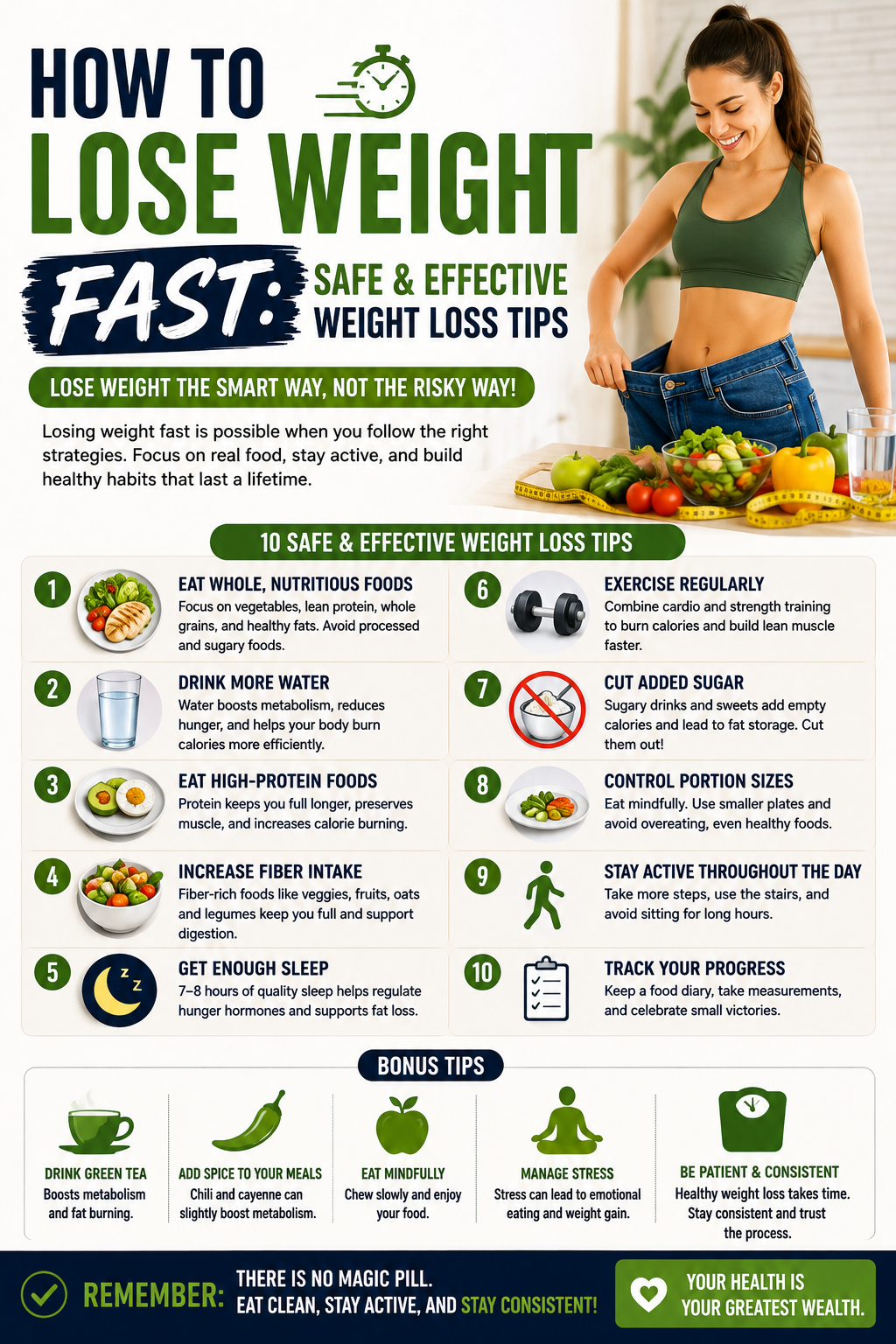
Losing weight is a common goal, but many people want results as quickly as possible. If you’re searching for how to lose weight fast, it’s important to understand that the safest approach is not a crash diet or extreme restriction. Sustainable weight loss usually comes from making realistic changes to food choices, portion sizes, physical activity, sleep, and daily habits.
A healthy approach can help you lose excess body weight while maintaining muscle and getting the nutrients your body needs. It can also make it easier to maintain your results over the long term.
In this guide, we’ll explore practical, evidence-based strategies for losing weight safely, including what to eat, how to control portions, how exercise can help, and which common weight-loss mistakes to avoid.
Important: Weight-loss needs vary from person to person. If you are pregnant, under 18, have a medical condition, take medications that affect weight, or have a history of an eating disorder, speak with a qualified healthcare professional before making major dietary changes.
What Does “Fast Weight Loss” Really Mean?
When people search for how to lose weight fast, they often expect dramatic changes within a few days. However, a large drop on the scale in a very short period is often caused partly by changes in water and glycogen, rather than body fat alone.
A more sustainable approach is to aim for gradual weight loss.
For many adults, losing around 1–2 pounds (0.5–0.9 kg) per week is commonly considered a reasonable pace, although individual results can vary.
The goal shouldn’t simply be to make the number on the scale fall quickly. A better goal is to:
- Reduce excess body fat
- Maintain muscle
- Eat enough essential nutrients
- Stay physically active
- Develop habits you can maintain
1. Create a Moderate Calorie Deficit
One of the most important principles of weight loss is maintaining a calorie deficit over time.
A calorie deficit means consuming fewer calories than your body uses for energy.
You can create a moderate deficit by combining:
- Slightly smaller portions
- More nutrient-dense foods
- Fewer sugary drinks
- Less highly processed food
- Regular physical activity
You don’t need to eliminate entire food groups to create a calorie deficit.
A Simple Example
Instead of dramatically cutting your food intake, you could:
- Replace sugary drinks with water
- Reduce large portions of fried foods
- Add more vegetables to meals
- Choose fruit instead of sugary desserts
- Measure calorie-dense foods such as nuts and nut butter
These small changes can add up over time.
2. Prioritize Protein-Rich Foods
Protein is especially useful during weight loss because it helps support muscle and can make meals more satisfying.
Good protein sources include:
- Eggs
- Greek yogurt
- Cottage cheese
- Chicken
- Fish
- Beans
- Lentils
- Chickpeas
- Tofu
- Lean meat
Including protein in your meals can help you build a more balanced diet.
Healthy Protein Snack Ideas
Try:
- Greek yogurt with berries
- Boiled eggs with vegetables
- Cottage cheese with fruit
- Roasted chickpeas
- A small handful of nuts with yogurt
For more snack ideas, see our guide to High Protein Snacks for Weight Loss.
3. Eat More Fiber-Rich Foods
Fiber can help you feel full and supports healthy digestion.
Excellent sources include:
Fruits
- Apples
- Pears
- Berries
- Oranges
- Kiwi
Vegetables
- Broccoli
- Carrots
- Spinach
- Bell peppers
- Cauliflower
Whole Grains
- Oats
- Brown rice
- Whole-grain bread
- Quinoa
Legumes
- Lentils
- Chickpeas
- Black beans
- Kidney beans
A useful strategy is to make vegetables, fruits, whole grains, and legumes regular parts of your meals rather than relying heavily on refined carbohydrates.
4. Don’t Eliminate Healthy Fats
Some people believe that eating fat automatically prevents weight loss. That’s not true.
Healthy fats can be part of a balanced weight-management diet.
Good sources include:
- Almonds
- Walnuts
- Pistachios
- Avocados
- Seeds
- Olive oil
- Natural peanut butter
However, portion control matters because fats are energy-dense.
For example, instead of eating nuts directly from a large bag, measure approximately 28 grams (1 ounce) into a small bowl.
For more information, read our article Portion Control for Nuts: How Much Should You Eat Each Day?
5. Reduce Sugary Drinks
One of the easiest changes for many people trying to lose weight is reducing liquid calories.
Common sources include:
- Soft drinks
- Sweetened tea
- Sugary coffee
- Energy drinks
- Sweetened juices
- Milkshakes
These drinks can add significant calories without providing the same fullness as whole foods.
Better Choices
Try:
- Water
- Sparkling water
- Unsweetened tea
- Black coffee
- Water with lemon or mint
You don’t necessarily need to eliminate every sweet drink forever. Reducing how often you consume them can make a meaningful difference.
6. Control Your Portions
Even nutritious foods can contribute to excess calorie intake when portions become too large.
Portion control is especially important for calorie-dense foods such as:
- Nuts
- Nut butters
- Cheese
- Oils
- Dried fruit
- Chocolate
Easy Portion-Control Strategies
Use smaller plates and bowls, measure calorie-dense foods, and serve your food before sitting down to eat.
Instead of eating nuts directly from the package, for example, measure one serving first.
This makes it easier to understand how much you’re actually eating.
7. Build Your Meals Around Whole Foods
A simple way to improve your diet is to make minimally processed foods the foundation of most meals.
A balanced plate could contain:
½ plate: Vegetables
¼ plate: Protein
¼ plate: Whole grains or another carbohydrate source
You can then add a moderate amount of healthy fat.
Example Meal
- Grilled chicken
- Brown rice
- Steamed broccoli
- Mixed salad
- Small amount of olive oil
This type of meal provides protein, fiber, carbohydrates, vitamins, minerals, and healthy fats.
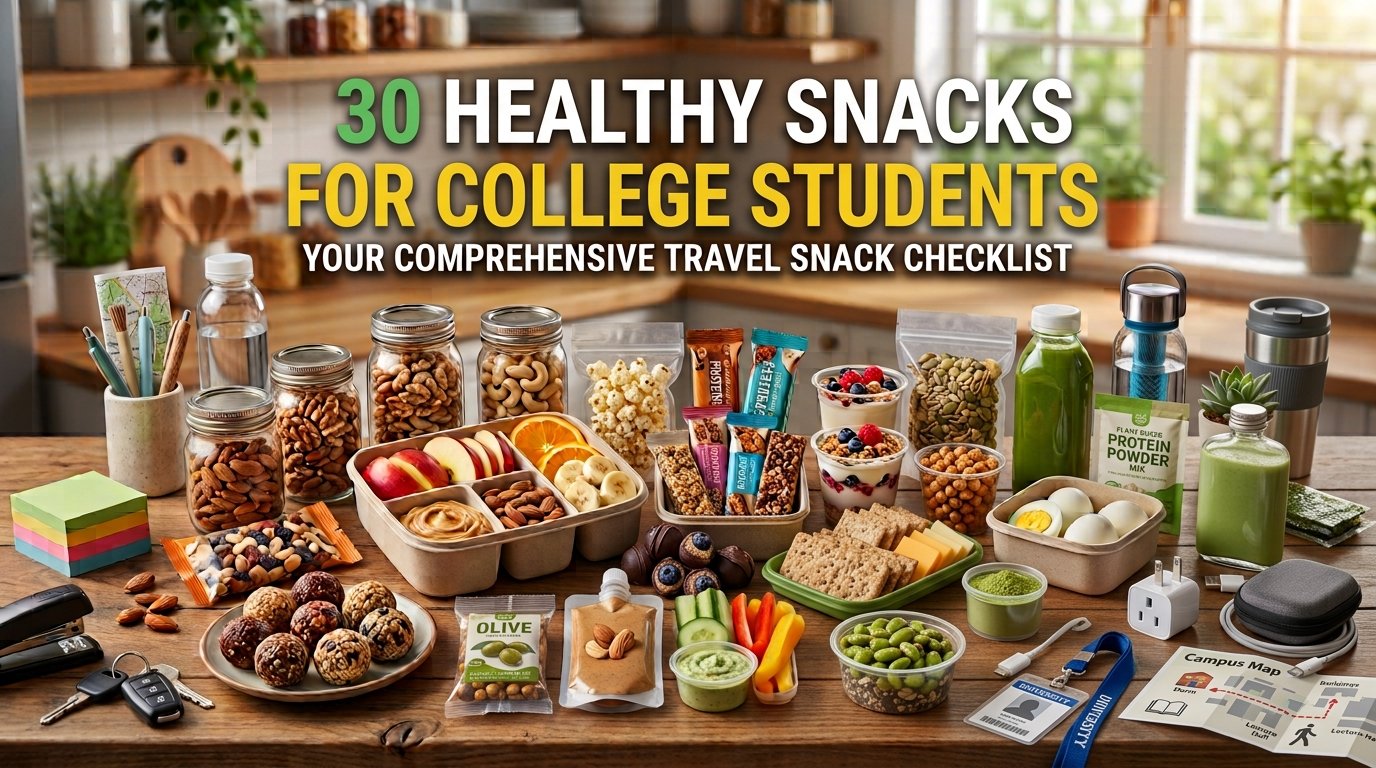
8. Choose Healthy Snacks
Snacking doesn’t automatically cause weight gain. The key is choosing foods that fit your overall calorie and nutrition needs.
Instead of reaching for chips, cookies, or candy every time you’re hungry, consider:
- Apple with peanut butter
- Greek yogurt with berries
- Almonds with fruit
- Cottage cheese
- Hummus with vegetables
- Air-popped popcorn
- Boiled eggs
- Roasted chickpeas
Check out Healthy Snack Ideas: 25 Easy & Nutritious Snacks for more options.
9. Increase Your Daily Movement
You don’t need to spend hours in the gym to become more active.
Increasing everyday movement can help increase energy expenditure.
Try:
- Walking after meals
- Taking the stairs
- Walking during phone calls
- Doing household chores
- Cycling
- Playing sports
- Taking short movement breaks during work
A simple daily walking routine can be much easier to maintain than an extreme exercise program.
10. Add Strength Training
Strength training can be particularly useful during weight loss because it helps you maintain and build muscle.
Exercises can include:
- Squats
- Lunges
- Push-ups
- Rows
- Planks
- Resistance-band exercises
- Weight training
You don’t necessarily need expensive gym equipment. Bodyweight exercises can be a useful starting point.
Combining strength training with regular walking or cardiovascular exercise can create a well-rounded activity routine.
11. Get Enough Sleep
Sleep is often overlooked when people focus on weight loss.
Poor sleep can affect hunger, food choices, energy levels, and your ability to maintain healthy habits.
For most adults, 7–9 hours of sleep per night is a useful general target.
Improve Your Sleep Routine
- Keep a consistent bedtime
- Reduce screen use before bed
- Keep your bedroom comfortable and dark
- Avoid large meals immediately before sleeping
- Limit caffeine later in the day
Good sleep won’t magically cause fat loss, but it can make healthy habits easier to maintain.
12. Choose Foods That Support Weight Loss
If you’re looking for how to lose weight fast, focusing on food quality can make your diet easier to follow. Instead of relying on extremely low-calorie foods, build meals around foods that provide protein, fiber, vitamins, and minerals.
Some of the best choices include:
Lean Protein
- Chicken breast
- Fish
- Eggs
- Greek yogurt
- Cottage cheese
- Lentils
- Beans
- Chickpeas
- Tofu
Protein can help you feel satisfied and is important for maintaining muscle during weight loss.
High-Fiber Foods
- Oats
- Apples
- Berries
- Pears
- Broccoli
- Carrots
- Lentils
- Beans
- Chia seeds
Healthy Fats
- Almonds
- Walnuts
- Pistachios
- Avocado
- Seeds
- Olive oil
Remember that healthy fats are nutritious but calorie-dense, so portions still matter.
13. Eat More Vegetables
Vegetables are particularly useful when you’re trying to reduce your calorie intake because many vegetables provide substantial volume with relatively few calories.
Try adding vegetables to:
- Breakfast omelets
- Sandwiches
- Wraps
- Salads
- Soups
- Stir-fries
- Rice dishes
Easy Vegetable Combinations
- Chicken + broccoli + brown rice
- Eggs + spinach + tomatoes
- Fish + roasted vegetables + potatoes
- Chickpeas + cucumber + tomatoes
Increasing vegetables can make meals feel more filling without requiring very large amounts of calorie-dense foods.
14. Drink Enough Water
Staying hydrated is important for overall health, and replacing sugary drinks with water can reduce your calorie intake.
Instead of focusing on an exact amount that applies to everyone, drink regularly throughout the day and pay attention to thirst, activity, climate, and other individual factors.
Water-rich foods can also contribute to hydration:
- Watermelon
- Cucumber
- Oranges
- Strawberries
- Lettuce
- Tomatoes
Simple Hydration Habits
- Keep a reusable water bottle nearby.
- Drink water with meals.
- Choose water instead of sugary drinks.
- Drink more when you’re exercising or in hot weather.
Water itself doesn’t “burn fat,” but replacing high-calorie beverages with water can make weight management easier.
15. Walking for Weight Loss
Walking is one of the simplest forms of physical activity and can be a good starting point for people who aren’t currently exercising.
You can increase your activity gradually by:
- Taking a 10-minute walk after meals
- Walking during work breaks
- Parking farther away
- Taking stairs when practical
- Going for an evening walk
You don’t need to start with extremely long walks. Consistency is more important than doing too much at once.
16. Combine Cardio and Strength Training
Both cardiovascular exercise and resistance training can contribute to a healthy weight-management plan.
Cardio Examples
- Brisk walking
- Jogging
- Cycling
- Swimming
- Dancing
- Hiking
Strength Training Examples
- Squats
- Lunges
- Push-ups
- Resistance-band exercises
- Dumbbell exercises
- Bodyweight exercises
A combination of aerobic activity and strength training can help improve fitness while supporting muscle maintenance.
17. Don’t Skip Meals Just to Lose Weight Faster
Skipping meals may seem like a quick way to reduce calories, but it isn’t necessary for weight loss.
Some people find that skipping meals makes them extremely hungry later, increasing the chance of overeating.
Instead, focus on balanced meals containing:
- Protein
- Vegetables
- Fiber-rich carbohydrates
- Healthy fats
If you prefer a particular eating schedule, choose one you can comfortably maintain rather than forcing yourself into an extreme routine.
18. Learn to Manage Hunger and Cravings
Hunger is normal during weight loss, but extreme hunger can make a diet difficult to maintain.
Strategies That May Help
Prioritize protein: Include protein at meals and snacks.
Eat fiber-rich foods: Vegetables, fruits, legumes, and whole grains can help increase fullness.
Drink water: Make sure you’re adequately hydrated.
Don’t keep trigger foods within easy reach: Making highly tempting foods less convenient can reduce impulsive eating.
Allow occasional treats: Completely banning favorite foods can make a diet feel unnecessarily restrictive.
19. Don’t Fear Carbohydrates
Carbohydrates aren’t automatically responsible for weight gain.
Healthy carbohydrate sources include:
- Oats
- Potatoes
- Sweet potatoes
- Brown rice
- Whole-grain bread
- Quinoa
- Beans
- Fruit
The bigger issue is often the overall calorie intake and the type and quantity of carbohydrate foods being consumed.
For example, a bowl of oats with berries is nutritionally very different from a large serving of sugary pastries.
20. Limit Highly Processed Foods
You don’t need to completely eliminate processed foods, but reducing foods that are high in calories, added sugars, sodium, and saturated fat can make weight management easier.
Limit frequent consumption of:
- Candy
- Cookies
- Doughnuts
- Sugary cereals
- Fried fast food
- Chips
- Sugary drinks
- Large portions of desserts
Instead, make whole or minimally processed foods the foundation of most meals.
21. Try This Simple Weight-Loss Meal Structure
You don’t need a complicated diet plan.
A simple plate can look like:
Breakfast
Protein + fiber + fruit
Example:
- 2 eggs
- Whole-grain toast
- Berries
Lunch
Protein + vegetables + whole-food carbohydrate
Example:
- Grilled chicken
- Large salad
- Brown rice
Snack
Protein + fruit or vegetables
Example:
- Greek yogurt
- Apple
Dinner
Protein + vegetables + carbohydrate
Example:
- Baked fish
- Roasted vegetables
- Small serving of potatoes
This structure can be adapted to different cuisines and dietary preferences.
22. Be Careful With Liquid Calories
One of the easiest ways to accidentally consume excess calories is through drinks.
A drink can contain substantial calories while providing relatively little fullness.
Be especially mindful of:
- Milkshakes
- Sweetened coffee
- Soft drinks
- Energy drinks
- Sugary smoothies
- Alcoholic beverages
If you enjoy smoothies, make them primarily from whole ingredients such as fruit, Greek yogurt, vegetables, and unsweetened milk rather than adding sugar or syrup.
23. Track Your Food If It Helps You
Some people find food tracking useful because it increases awareness of portion sizes and calorie intake.
You can track:
- Meals
- Snacks
- Drinks
- Portions
- Protein
- Daily activity
However, tracking isn’t necessary for everyone. If it makes you anxious or overly focused on food, another approach may be better.
The goal is to find a method you can maintain comfortably.
24. Avoid Crash Diets
Very restrictive diets can promise dramatic results, but rapid weight loss isn’t necessarily sustainable.
Crash diets may involve:
- Extremely low calorie intake
- Eliminating entire food groups
- Long periods without eating
- Unnecessary detoxes
- Unverified supplements
These approaches can be difficult to maintain and may increase the likelihood of regaining weight.
A moderate, sustainable approach is usually more practical.
25. Focus on Consistency, Not Perfection
You don’t need to eat perfectly every day.
If you have:
- A restaurant meal
- A dessert
- A birthday celebration
- A weekend treat
you haven’t ruined your progress.
Simply return to your normal eating routine afterward.
Think in Terms of Weeks, Not One Meal
One meal won’t determine your long-term results. Your habits over weeks and months matter much more.
Common Weight-Loss Mistakes
Mistake 1: Eating Too Little
Extreme calorie restriction can make it difficult to get adequate nutrition and maintain a diet long-term.
Mistake 2: Relying on Supplements
Weight-loss supplements are not a replacement for a balanced diet and physical activity.
Mistake 3: Exercising but Ignoring Food
Exercise is valuable, but diet and overall energy balance also matter.
Mistake 4: Eliminating All Carbohydrates
You don’t need to eliminate nutritious carbohydrate foods to lose weight.
Mistake 5: Expecting Overnight Results
Healthy changes take time. Focus on sustainable progress rather than dramatic short-term changes.
A Simple Daily Weight-Loss Routine
Here’s an example of a practical routine:
Morning:
Protein-rich breakfast + fruit
Midday:
Balanced lunch + water
Afternoon:
Healthy snack if hungry
Evening:
Balanced dinner + vegetables
Activity:
Walking plus strength training several times per week
Night:
Consistent sleep schedule
The exact foods and exercise schedule should be adapted to your individual needs and preferences.
A Practical 7-Day Weight-Loss Food Framework
You don’t need a complicated diet to start improving your eating habits. The following framework focuses on protein, vegetables, fruits, whole grains, legumes, and controlled portions of healthy fats.
This is an example, not a personalized medical diet. Your calorie and nutrient requirements may be different.
Day 1
Breakfast: Oatmeal with berries and a small portion of almonds
Lunch: Grilled chicken, brown rice, and mixed vegetables
Snack: Greek yogurt with strawberries
Dinner: Baked fish, roasted vegetables, and a small baked potato
Day 2
Breakfast: Two eggs, whole-grain toast, and an orange
Lunch: Chickpea and vegetable salad with olive oil and lemon
Snack: Apple with a small amount of peanut butter
Dinner: Grilled chicken with vegetables and quinoa
Day 3
Breakfast: Greek yogurt, berries, oats, and walnuts
Lunch: Lentil soup with a side salad and whole-grain bread
Snack: Carrot and cucumber sticks with hummus
Dinner: Baked salmon with broccoli and brown rice
Day 4
Breakfast: Vegetable omelet with whole-grain toast
Lunch: Grilled chicken wrap with lettuce, tomato, and cucumber
Snack: Pear with a small handful of pistachios
Dinner: Bean and vegetable bowl with brown rice
Day 5
Breakfast: Oatmeal with banana and chia seeds
Lunch: Tuna salad with vegetables and whole-grain crackers
Snack: Cottage cheese with berries
Dinner: Grilled chicken, sweet potato, and steamed vegetables
Day 6
Breakfast: Eggs with spinach and whole-grain toast
Lunch: Chickpea bowl with vegetables and quinoa
Snack: Apple and almonds
Dinner: Baked fish with salad and roasted potatoes
Day 7
Breakfast: Greek yogurt with fruit, oats, and a few walnut halves
Lunch: Grilled chicken salad with avocado
Snack: Hummus with vegetables
Dinner: Lentils, brown rice, and mixed vegetables
The goal isn’t to follow these exact meals forever. Instead, use the structure to build meals that suit your culture, budget, preferences, and lifestyle.
Best Snacks for Weight Management
If you’re hungry between meals, a nutritious snack can fit into a weight-management plan.
Protein-Rich Options
- Greek yogurt
- Boiled eggs
- Cottage cheese
- Edamame
- Roasted chickpeas
Fruit-Based Options
- Apple with almonds
- Banana with a small amount of peanut butter
- Berries with Greek yogurt
- Pear with walnuts
Vegetable-Based Options
- Carrots with hummus
- Cucumber with yogurt dip
- Bell peppers with hummus
- Cherry tomatoes
Nut-Based Options
Nuts can be a nutritious snack because they provide protein, fiber, and unsaturated fats. However, they’re calorie-dense, so portion control is important.
A typical serving of nuts is around 28 grams (1 ounce).
For more information, read Portion Control for Nuts: How Much Should You Eat Each Day?
How to Stay Motivated During Weight Loss
Motivation naturally goes up and down. Instead of relying entirely on motivation, build routines that make healthy choices easier.
Set Small Goals
Rather than focusing only on a large final weight-loss goal, create smaller targets.
For example:
- Walk regularly
- Eat vegetables with lunch and dinner
- Drink more water
- Reduce sugary drinks
- Get consistent sleep
Small improvements can build into meaningful long-term changes.
Track More Than Your Weight
The scale isn’t the only measure of progress.
You can also monitor:
- Waist measurement
- Fitness level
- Walking distance
- Strength
- Energy levels
- How your clothes fit
- Consistency with healthy habits
Body weight can naturally fluctuate because of water, food intake, sodium, hormones, and other factors.
How Quickly Can You Lose Weight?
There’s no single rate that applies to everyone.
Your weight-loss rate depends on factors such as:
- Starting body weight
- Age
- Sex
- Food intake
- Physical activity
- Sleep
- Genetics
- Medications
- Medical conditions
A commonly used general target for many adults is around 0.5–0.9 kg (1–2 pounds) per week, but individual results can be slower or faster.
If you’re losing weight dramatically faster than this without medical supervision, it’s worth discussing your approach with a healthcare professional.
Can You Lose Weight Without Exercise?
Yes. Weight loss can occur when your overall energy intake is lower than your energy expenditure, and diet plays a major role.
However, physical activity provides important benefits beyond calorie burning.
Exercise can help:
- Improve cardiovascular fitness
- Maintain muscle
- Increase strength
- Improve mood
- Support overall health
A combination of a nutritious diet and regular physical activity is generally a better long-term strategy than relying on diet alone.
Do You Need to Stop Eating Carbs to Lose Weight?
No.
Foods such as oats, potatoes, whole grains, beans, lentils, and fruit can all be part of a healthy weight-loss diet.
The important factors include overall calorie intake, food quality, portion sizes, and dietary pattern.
Instead of eliminating carbohydrates completely, choose nutrient-rich sources and control portions.
Do Nuts Help With Weight Loss?
Nuts can be included in a weight-management diet.
Almonds, walnuts, pistachios, and other nuts provide:
- Protein
- Fiber
- Unsaturated fats
- Vitamins
- Minerals
However, nuts are energy-dense, so eating unlimited amounts isn’t a good strategy.
A measured serving of around 28 grams can make it easier to enjoy nuts while keeping portions under control.
What About Intermittent Fasting?
Intermittent fasting is one possible eating pattern, but it isn’t required for weight loss.
Some people find time-restricted eating convenient, while others prefer eating at regular intervals.
The most important factor is whether your overall eating pattern helps you maintain an appropriate calorie intake while still providing adequate nutrition.
If fasting causes dizziness, extreme hunger, overeating, or other problems, it may not be appropriate for you.
People with certain medical conditions, those taking medications that affect blood sugar, pregnant individuals, and people with a history of eating disorders should seek professional guidance before fasting.
How to Maintain Weight After Losing It
Losing weight is only part of the process. Maintaining your results requires continuing many of the habits that helped you lose weight.
Continue Eating Balanced Meals
Keep protein, vegetables, fruits, whole grains, and healthy fats in your regular diet.
Continue Being Active
Maintain regular walking, cardio, or strength training.
Monitor Your Habits
You don’t necessarily need to weigh yourself every day, but periodically checking your weight or waist measurement can help you notice long-term changes.
Avoid Returning to Old Habits
A common problem is treating a completed diet as permission to return to previous eating patterns.
Instead, think of healthy eating as a long-term lifestyle rather than a temporary diet.
Frequently Asked Questions
1. What is the fastest safe way to lose weight?
The safest approach is generally to create a moderate calorie deficit through balanced food choices, portion control, and regular physical activity rather than using crash diets or extreme restriction.
2. How can I lose weight quickly at home?
You can start by reducing sugary drinks, controlling portions, eating more protein and vegetables, choosing high-fiber foods, walking regularly, and getting adequate sleep.
3. Can drinking water help with weight loss?
Water doesn’t directly burn body fat, but replacing calorie-containing drinks with water can reduce calorie intake and support hydration.
4. Are fruits good for weight loss?
Yes. Whole fruits provide fiber, vitamins, minerals, and water. They can be part of a balanced weight-loss diet.
5. Are nuts good for people trying to lose weight?
Yes, when eaten in appropriate portions. Nuts provide protein, fiber, and healthy fats, but their calorie density makes portion control important.
6. Should I avoid eating after 8 PM?
There is no universal rule that eating after a particular clock time automatically causes weight gain. Your overall calorie intake and dietary pattern matter more.
7. Can I eat snacks while trying to lose weight?
Yes. A nutritious snack can fit into your daily calorie and nutrition needs. Choose options such as fruit, Greek yogurt, vegetables with hummus, eggs, or a measured portion of nuts.
8. Why isn’t my weight dropping even though I’m exercising?
Weight loss can be affected by food intake, water fluctuations, sleep, activity levels, medications, medical conditions, and changes in muscle mass. If you’re consistently following a plan without seeing progress, consider discussing it with a healthcare professional or registered dietitian.
Final Thoughts
If you’re searching for how to lose weight fast, the most important thing to remember is that faster isn’t always better.
Extreme diets may produce rapid changes on the scale, but sustainable weight management usually depends on habits you can continue for months and years.
Focus on a moderate calorie deficit, nutritious whole foods, adequate protein and fiber, sensible portions, regular physical activity, sufficient sleep, and consistent habits.
You don’t need to completely eliminate carbohydrates, stop eating after a specific time, or rely on expensive supplements. Instead, build a balanced eating pattern that works for your lifestyle.
And remember: one unhealthy meal doesn’t ruin your progress, just as one healthy meal doesn’t create instant weight loss. Consistency over time is what matters most.
Key Takeaways
- Aim for sustainable rather than extreme weight loss.
- Create a moderate calorie deficit.
- Prioritize protein and fiber.
- Eat plenty of vegetables and whole fruits.
- Choose minimally processed foods most of the time.
- Control portions of calorie-dense foods such as nuts and nut butter.
- Replace sugary drinks with water or unsweetened beverages.
- Combine cardio with strength training.
- Get adequate sleep.
- Avoid crash diets and unverified weight-loss supplements.
- Focus on long-term habits rather than overnight results.
You May Also Like
- Portion Control for Nuts: How Much Should You Eat Each Day?
- Best Nuts for Weight Loss
- Best Dry Fruits for Weight Loss
- Benefits of Almonds
- Walnut Benefits
- Best Time to Eat Nuts
- Medjool Dates Benefits
- 10 Best Dry Fruits for Diabetes
Leave a Reply